
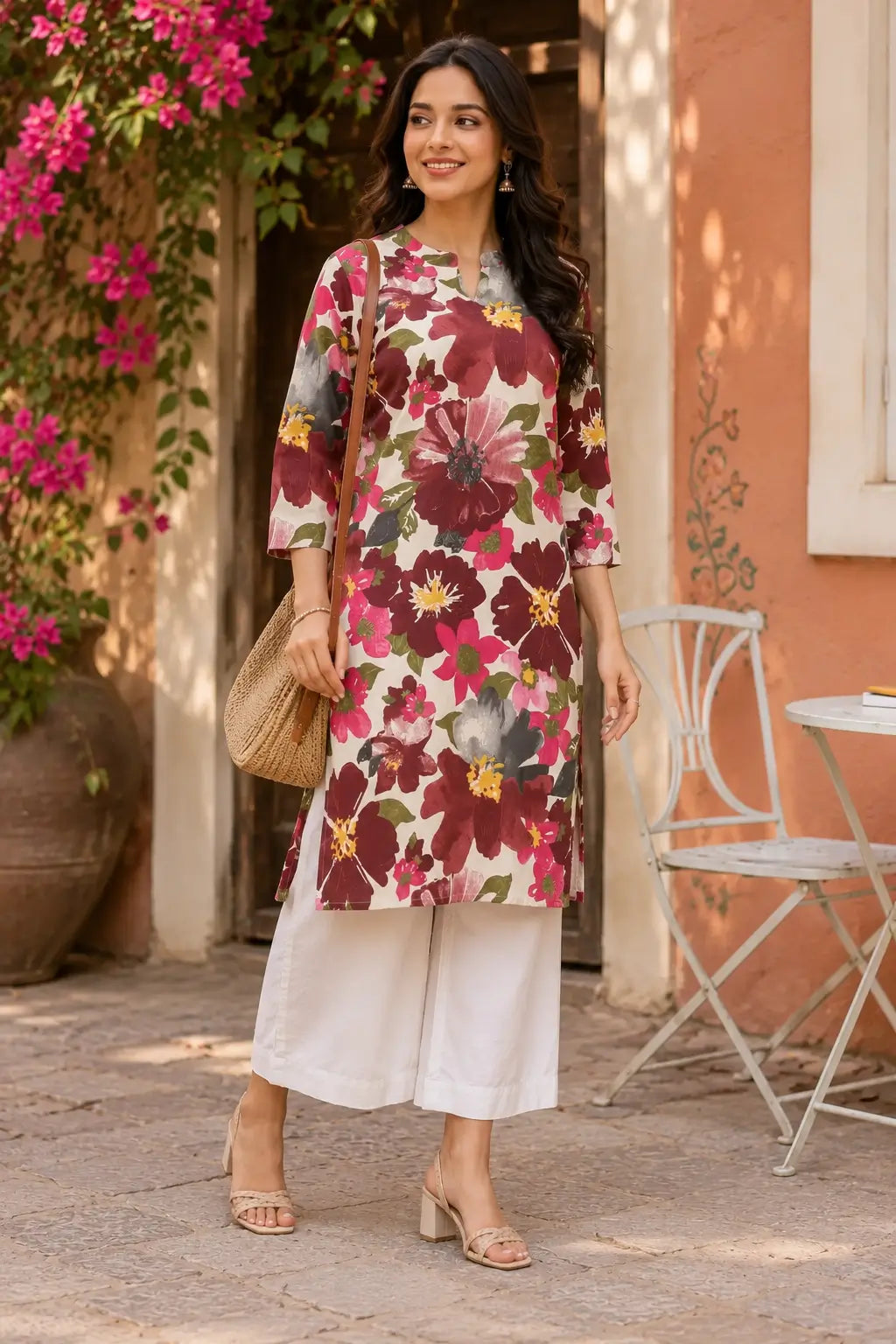
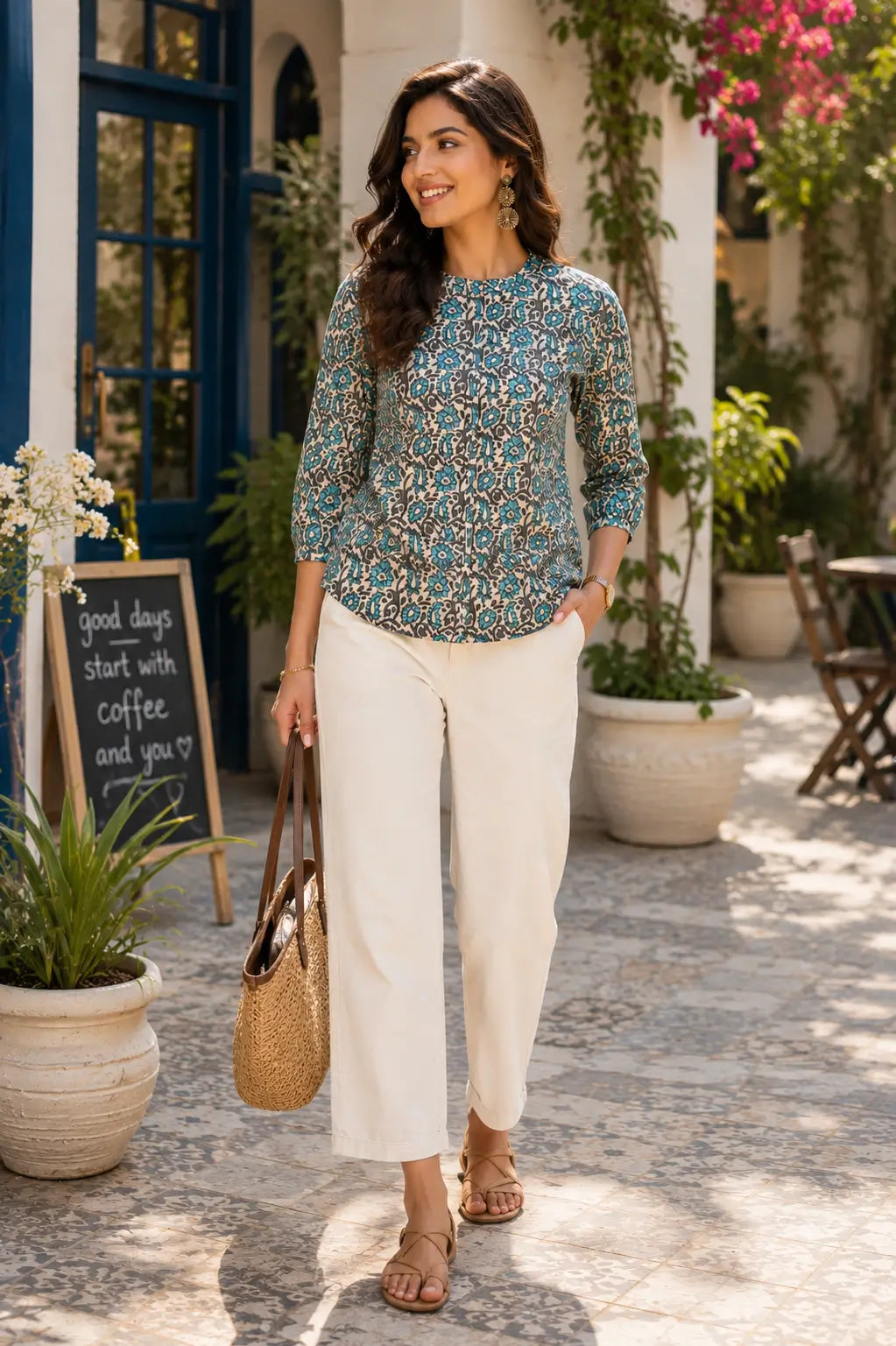
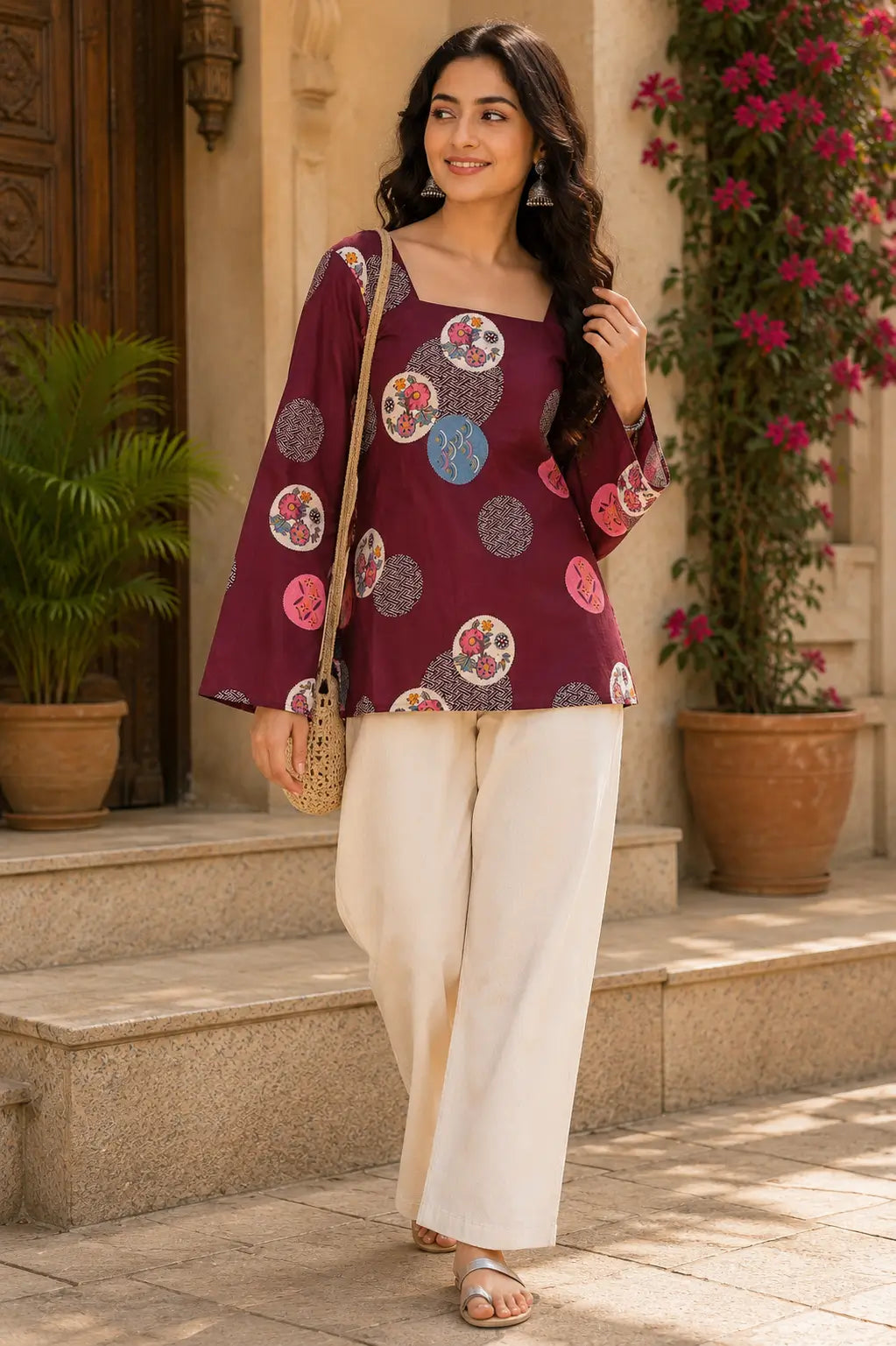


Introduction
A daily-wear kurti needs to do more than feel comfortable for a few minutes. It should handle regular washing, long sitting hours, commuting, repeated movement and frequent use without quickly losing its shape or becoming difficult to maintain.
Cotton is generally the most dependable fabric for daily-wear kurtis because it balances comfort, durability and easy care. Rayon offers a softer drape but usually requires gentler handling, while cotton flex, linen blends and mulmul suit different routines and weather conditions.
This guide compares fabrics specifically for everyday use—not only summer heat—so you can choose according to washing frequency, maintenance, commute and duration of wear.
Why Fabric Matters in Daily Wear Kurtis
A kurti worn for 8–10 hours needs to perform well in everyday conditions. The right fabric should be:
-
Breathable
-
Lightweight
-
Skin-friendly
-
Easy to wash
-
Durable
-
Suitable for local climate
In warm and humid regions, breathable fabrics are especially important to reduce sweating and irritation. Natural and semi-natural fibers generally perform better than synthetic materials for everyday comfort.
Daily-use practicality is important, but peak summer comfort also depends on local weather and fabric construction. For a broader climate-based comparison, read our complete summer fabric guide for kurtis.
How to Choose the Right Fabric for Kurtis
If you are unsure which material to pick, use this step-by-step approach.
1. Consider the Climate
Climate should be the first factor when selecting kurti fabric.
-
Hot and dry weather: Cotton, mulmul, rayon
-
Humid weather: Cotton cambric, linen blends
-
Mild or cooler weather: Cotton blends, heavier weaves
Breathable fabrics that absorb moisture work best in most Indian climates.
2. Check Breathability
Breathability determines how cool you feel during the day. Fabrics that allow airflow help prevent discomfort.
Best breathable fabrics for kurtis:
-
Cotton
-
Rayon
-
Linen blends
-
Cambric cotton
3. Evaluate Comfort and Skin Sensitivity
If you have sensitive skin, avoid rough or heavily synthetic fabrics. Natural fibers are generally softer and safer for everyday wear.
4. Consider Maintenance and Washing
Daily wear clothing should be easy to care for. Look for fabrics that:
-
Wash easily at home
-
Dry quickly
-
Maintain color and shape
Cotton and rayon both perform well with proper care.
5. Match Fabric to Usage
Different activities require different fabrics.
| Usage | Recommended Fabric |
|---|---|
| Office wear | Rayon, cotton blends |
| Home wear | Cotton, mulmul |
| Travel | Rayon, wrinkle-resistant cotton |
| College wear | Printed cotton, lightweight rayon |
How Different Fabrics Perform Under Frequent Daily Use
| Fabric | Frequent washing | Wrinkling | Durability | Drying | Best daily use |
|---|---|---|---|---|---|
| Cotton | Good | Moderate | Good | Moderate | Office, travel, home |
| Cotton flex | Good | Low to moderate | Good | Moderate | Structured office wear |
| Rayon | Gentle care needed | Moderate | Moderate | Moderate | Shorter or indoor wear |
| Linen blend | Moderate care | High | Good | Relatively quick | Smart office wear |
| Mulmul | Gentle care | Moderate | Lower | Quick | Relaxed and home wear |
Cotton vs Rayon Kurtis: Which Is Better?
Both fabrics have advantages depending on your needs.
| Feature | Cotton | Rayon |
|---|---|---|
| Breathability | Excellent | Very good |
| Sweat absorption | Excellent | Moderate |
| Drape | Moderate | Excellent |
| Maintenance | Easy | Moderate |
| Durability | High | Medium |
The better option depends on whether you prioritise repeated washing and durability or a softer, flowy drape. Read our detailed cotton vs rayon kurti comparison for daily wear.
Conclusion:
Choose cotton for maximum comfort and breathability. Choose rayon for softness and better drape.
Best Fabric for Office Wear Kurtis
Office wear requires fabrics that maintain structure while remaining comfortable.
Recommended options:
-
Rayon
-
Cotton blends
-
Linen blends
These fabrics provide a professional look while remaining breathable for long workdays.
To see how a structured cotton fabric works in an everyday office silhouette, view this grey cotton flex long kurti for office and daily wear.
Most Comfortable Fabrics for Everyday Kurtis
If comfort is your priority, these fabrics work best:
-
Cotton cambric
-
Rayon
-
Cotton flex
-
Linen blends
Many modern daily wear kurtis use cotton cambric and rayon to balance comfort and durability. Some of these fabrics can be seen in our breathable daily wear kurti styles.
Fabric Care Tips for Long-Lasting Kurtis
Proper care improves durability and appearance.
-
Wash cotton in cold or lukewarm water
-
Avoid harsh detergents
-
Dry garments in shade
-
Iron rayon on low heat
Good maintenance can significantly extend garment life.
Common Mistakes to Avoid When Buying Kurtis
Many buyers focus only on design and overlook fabric quality.
Avoid these mistakes:
-
Choosing synthetic fabrics in hot climates
-
Ignoring wash-care instructions
-
Selecting thick fabrics for daily wear
-
Buying based only on appearance
Prioritizing fabric ensures better comfort and longevity.
Conclusion
Choosing the best fabric for daily wear kurtis depends on climate, lifestyle, and personal comfort preferences.
-
Cotton offers unmatched breathability and reliability
-
Rayon provides softness and style
-
Linen blends deliver durability and a refined look
By understanding fabric properties, you can select kurtis that remain comfortable throughout the day while maintaining their appearance over time.
To compare everyday styles by fabric, fit and length, explore Rabric’s daily wear kurtis for women.
Frequently Asked Questions
Which fabric is best for daily wear kurtis in India?
Cotton and rayon are widely considered the best because they are breathable, lightweight, and comfortable in warm climates.
What are the most comfortable fabrics for summer kurtis?
Cotton, mulmul, rayon, and linen blends are ideal summer fabrics because they absorb sweat and allow airflow.
Is cotton better than rayon for kurtis?
Cotton is better for breathability and sweat absorption, while rayon provides a smoother drape and softer feel.
How do I know if a kurti fabric is breathable?
Check the fiber composition. Natural fibers like cotton and linen are generally more breathable than synthetic materials.
Which fabric is best for low-maintenance daily wear kurtis?
Cotton blends and rayon are good choices because they are easy to wash and maintain.
About the Author
Aditi Garg writes and reviews Rabric’s fabric, fit and comfort guides. Her content focuses on practical clothing choices for Indian weather, commuting and everyday wear.

