


Updated February 2026 | Reviewed by Aditi Garg — Ethnicwear Fabric Specialist (5+ years in apparel design and sourcing)
Introduction
The monsoon season brings welcome relief from summer heat, but it also introduces high humidity, damp conditions, and slower drying times. Choosing the right fabric for kurtis during the rainy season is essential for staying comfortable, preventing skin irritation, and keeping garments fresh.
Many shoppers ask:
-
Which fabric is best for kurtis in monsoon?
-
What fabrics dry fastest in humid weather?
-
Which materials stay breathable in rain and humidity?
This expert guide explains the best fabrics for monsoon kurtis, why they work, and how to choose wisely when shopping for everyday wear in humid climates.
If you’re also looking for fabrics suited to hot weather, you may find our guide on Best Breathable Fabrics for Kurtis in Summer (Complete Guide for Women in India – 2026) helpful, as many breathable materials perform well in both summer and monsoon conditions.
Quick Answer
Which fabric is best for kurtis in monsoon?
The best fabrics for monsoon kurtis are:
-
Cotton blends
-
Rayon
-
Linen blends
-
Modal
-
Lightweight chambray
These fabrics are breathable, lightweight, moisture-absorbing, and relatively quick drying, making them ideal for humid weather.
Why Fabric Choice Matters in Monsoon
During monsoon months, humidity in many Indian cities often rises above 70–90%, which slows sweat evaporation and causes fabrics to remain damp longer.
Poor fabric choices can lead to:
-
Sticky discomfort
-
Odor buildup
-
Skin irritation
-
Longer drying times
-
Reduced garment life
Textile performance studies consistently show that breathability and moisture management are the most important factors in clothing designed for humid environments.
This makes fabric selection not just a style decision—but a comfort and hygiene decision.
Key Fabric Qualities to Look For in Monsoon Kurtis
When choosing fabrics for rainy season wear, prioritize these characteristics:
1. Breathability
Breathable fabrics allow air circulation and reduce heat buildup.
2. Quick Drying
Fabrics that dry quickly prevent dampness and odor.
3. Lightweight Structure
Heavy fabrics trap moisture and feel uncomfortable in humidity.
4. Low Cling Factor
Fabrics that don’t stick to skin feel cooler and more comfortable.
Monsoon Fabric Checklist
When buying kurtis for humid weather, look for fabrics that are:
-
Lightweight
-
Breathable
-
Moisture-absorbing
-
Quick drying
-
Easy to wash and maintain
Best Fabrics for Monsoon Kurtis (Detailed Guide)
Cotton Blends – Comfortable for Daily Wear
Cotton remains one of the most popular fabrics in India because of its natural breathability. However, heavy cotton may dry slowly in humid weather.
Cotton blends improve performance by reducing drying time while maintaining comfort.
Why Cotton Blends Work
-
Absorb sweat effectively
-
Allow airflow
-
More practical for everyday wear
-
Faster drying than dense cotton
Best Uses
-
Office wear
-
Daily wear kurtis
-
Travel outfits
Cotton blends are among the most practical fabrics for humid climates.
Rayon – Lightweight and Quick Drying
Rayon is widely preferred for monsoon kurtis because of its smooth texture and lightweight feel.
Benefits of Rayon
-
Very lightweight
-
Comfortable in humidity
-
Dries faster than cotton
-
Drapes well
Rayon is especially suitable for regions with consistently high humidity.
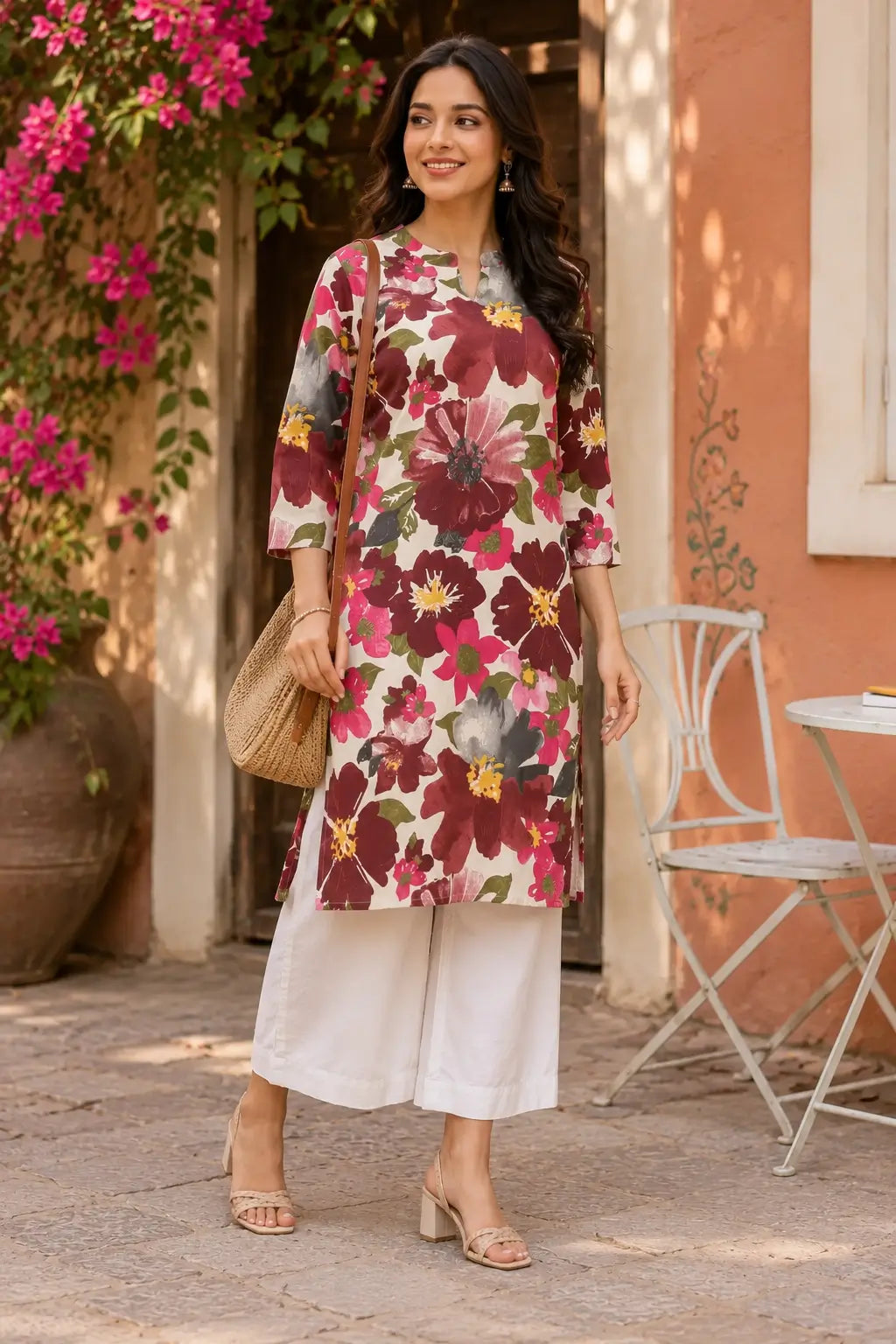
Rayon is especially suitable for regions with consistently high humidity. For example, lightweight everyday styles such as this rayon printed kurti show how breathable fabrics can remain comfortable even during long days in humid weather.
Cotton vs Rayon Kurtis for Monsoon
This comparison helps answer a common voice search query.
| Feature | Cotton | Rayon |
|---|---|---|
| Breathability | Excellent | Very Good |
| Drying Time | Moderate | Faster |
| Weight | Light | Very Light |
| Comfort in Humidity | Very Good | Excellent |
Conclusion:
Rayon dries faster and feels lighter, while cotton offers higher breathability. The best choice depends on humidity levels and daily activity. If humidity is very high, rayon often performs better. For daily wear comfort, cotton blends remain reliable.
If you want a deeper comparison of how these fabrics perform in daily wear and long working hours, read our detailed guide on Which Fabric Is Best for Office Wear Kurtis? Cotton vs Rayon for Daily Comfort & Long Hours.
Linen Blends – Premium Breathability
Linen is known for its superior airflow due to its natural fiber structure and loose weave.
Why Linen Blends Are Ideal
-
Highly breathable
-
Fast moisture evaporation
-
Durable fibers
Blended linen is preferred for kurtis because it reduces wrinkling while maintaining airflow.
Modal – Modern Performance Fabric
Modal is a semi-synthetic fabric derived from natural cellulose and designed for softness and durability.
Advantages of Modal
-
Smooth and lightweight
-
Breathable
-
Retains softness after washing
-
Comfortable for long wear
Modal kurtis are becoming increasingly popular for humid climates.
Chambray – Lightweight Denim Alternative
Chambray offers the appearance of denim but is much lighter and more breathable.
Why Chambray Works in Monsoon
-
Breathable weave
-
Durable fabric
-
Comfortable for travel and casual wear
Fabrics to Avoid During Monsoon
Some fabrics retain moisture and feel uncomfortable in humid weather.
Heavy Silk
Requires careful maintenance and dries slowly.
Thick Polyester
Can trap heat and feel sticky.
Velvet and Brocade
Too heavy for humid climates and unsuitable for daily wear.
Examples of Monsoon-Friendly Styles
Breathable fabrics work especially well in:
-
A lightweight cotton blend kurti for daily wear
-
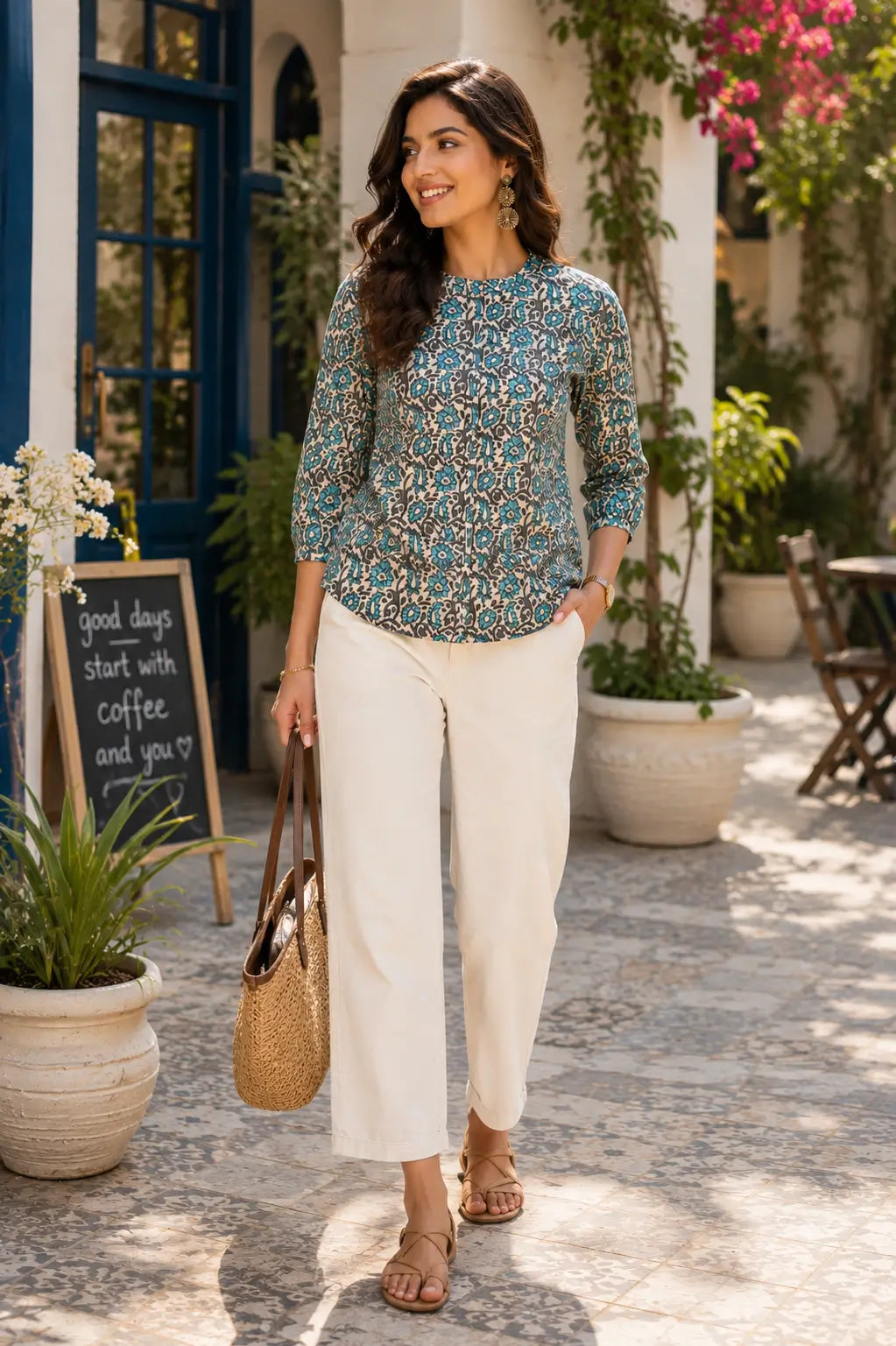
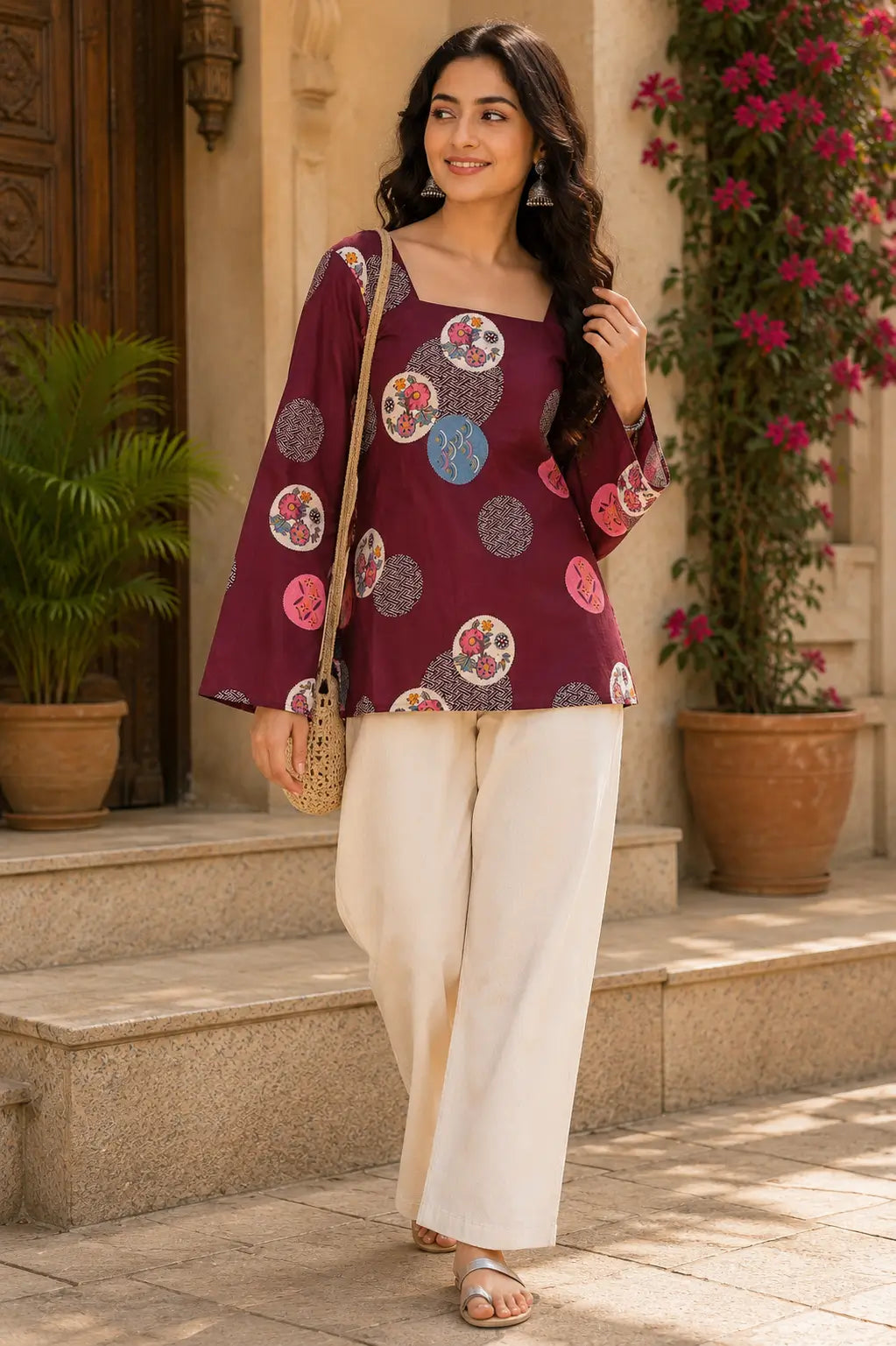
A printed short top for casual outings
-
A comfortable cotton co-ord set for travel and relaxed days
These styles combine airflow, ease of movement, and quick drying—making them practical for humid weather.
How Fabric Weave Affects Monsoon Comfort
Fabric comfort depends not only on fiber but also on weave structure.
Loose Weave
-
Better airflow
-
Faster drying
-
More comfort in humidity
Tight Weave
-
Durable
-
Slower moisture evaporation
Loose or medium weaves generally perform better in humid environments.
Best Colors and Prints for Monsoon Kurtis
Fabric choice matters most, but color also plays a role.
Recommended Choices
-
Medium tones
-
Printed patterns
-
Muted pastels
-
Darker shades
These help hide rain splashes and water marks more effectively.
Care Tips for Monsoon Kurtis
Proper care increases garment life and maintains hygiene.
-
Wash garments soon after use
-
Dry in ventilated areas
-
Avoid storing damp clothes
-
Use mild detergents
Moisture retention is one of the main causes of fiber damage and odor formation.
Why Choose RABRIC
At Rabric, fabric selection focuses on:
-
Breathability suitable for Indian climates
-
Lightweight materials
-
Everyday wear comfort
-
Customer feedback–driven design
Our approach is shaped by observing how fabrics perform in real weather conditions, especially during humid seasons.
Research Insights on Fabric Comfort
Apparel and textile studies show:
-
Moisture management significantly improves perceived comfort in humidity
-
Lightweight fabrics reduce heat retention
-
Breathable fibers help regulate skin temperature
These findings reinforce the importance of selecting suitable fabrics for monsoon wear.
Practical Tips for Buying Monsoon Kurtis Online
When shopping online, check:
-
Fabric composition
-
Fabric weight or GSM if available
-
Product descriptions carefully
-
Ease of washing
-
Versatile colors and prints
These simple checks help avoid discomfort and maintenance issues.
Why Fabric Selection Matters for Everyday Comfort
Monsoon dressing becomes much easier when fabrics are chosen thoughtfully. Breathable, lightweight, and quick-dry materials help prevent discomfort, odor, and maintenance issues.
Fabrics like cotton blends, rayon, linen blends, and modal consistently perform well in humid climates and remain practical for everyday wear.
About the Author
Aditi Garg is an ethnicwear fabric specialist with more than five years of experience in apparel design, fabric sourcing, and daily-wear garment development.
Her work focuses on:
-
Breathable fabrics
-
Climate-appropriate textiles
-
Comfort-focused clothing for Indian conditions
Through hands-on experience with suppliers and customer feedback, she studies how fabrics perform in real-world conditions and helps consumers make informed clothing choices.
Comfortable Monsoon Styles to Consider
If you’re refreshing your wardrobe for the rainy season, breathable fabrics work especially well in:
-
Lightweight kurtis for daily wear and office use
-
Short tops in breathable fabrics for casual outings and travel
-
Co-ord sets in rayon or cotton blends for comfortable all-day wear
These silhouettes combine ease of movement, airflow, and quick drying—making them practical choices for humid weather.
Conclusion
Choosing the right fabric is the most important factor in staying comfortable during the monsoon season. Breathable, lightweight, and quick-dry materials like cotton blends, rayon, linen blends, and modal offer the best balance of comfort, durability, and practicality.
With the right fabric choices, monsoon dressing can remain comfortable, stylish, and easy to maintain. At Rabric, the focus remains on fabrics suited for Indian weather conditions and everyday practicality.
If you’re planning to refresh your wardrobe this season, explore collections designed with breathable and lightweight fabrics that keep you comfortable throughout the rains.
Frequently Asked Questions
Which fabric is best for kurtis in monsoon?
Rayon, cotton blends, linen blends, and modal are among the best choices because they are breathable and quick drying.
What fabric dries fastest in rainy season?
Rayon and modal generally dry faster than dense cotton or silk.
Are cotton kurtis good for monsoon?
Yes, especially cotton blends, which absorb sweat and remain comfortable in humidity.
What fabrics should be avoided in monsoon?
Heavy silk, velvet, brocade, and thick polyester should generally be avoided for daily wear.
Are lightweight fabrics better for humid weather?
Yes. Lightweight fabrics allow better airflow and reduce discomfort in humid conditions.

