
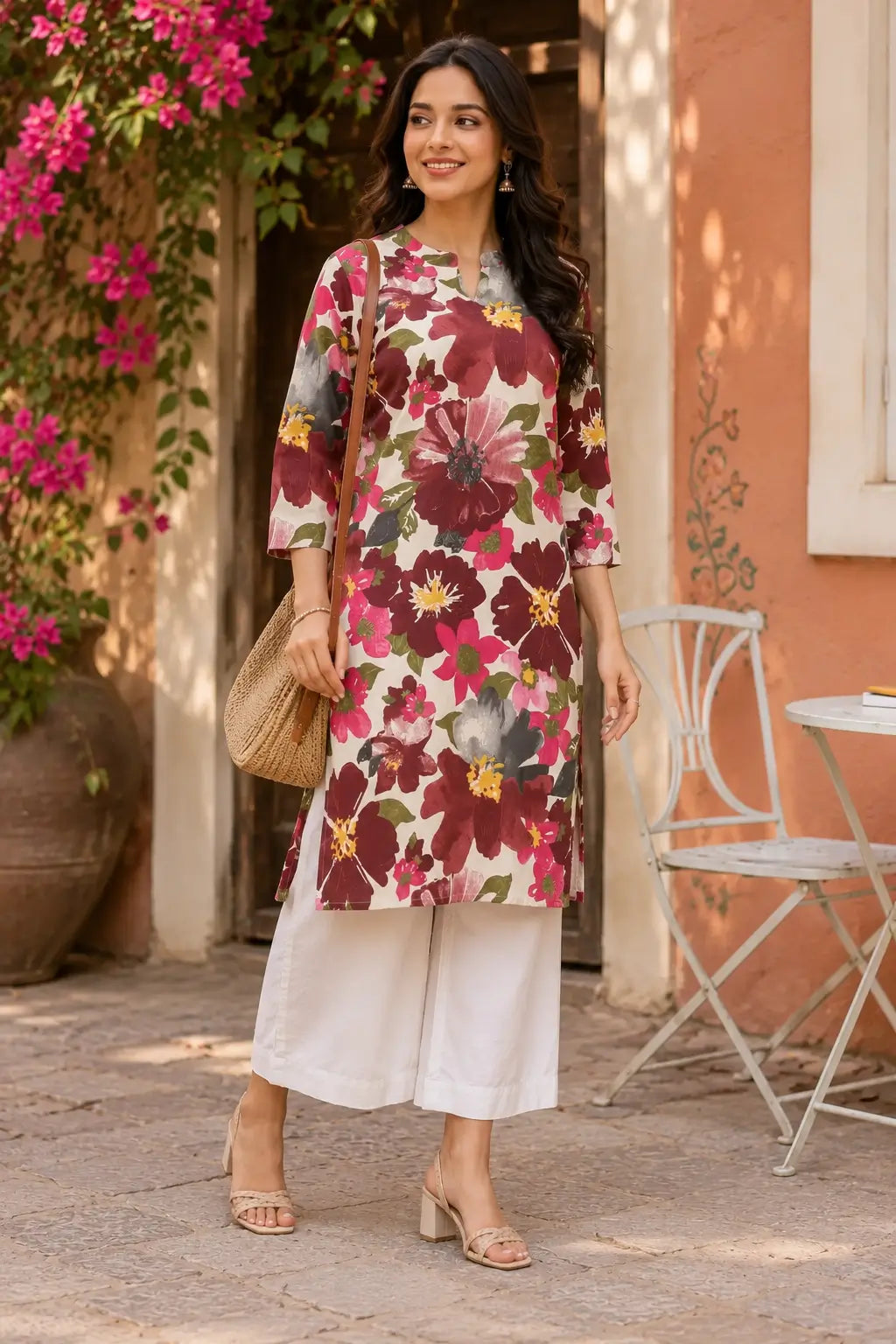
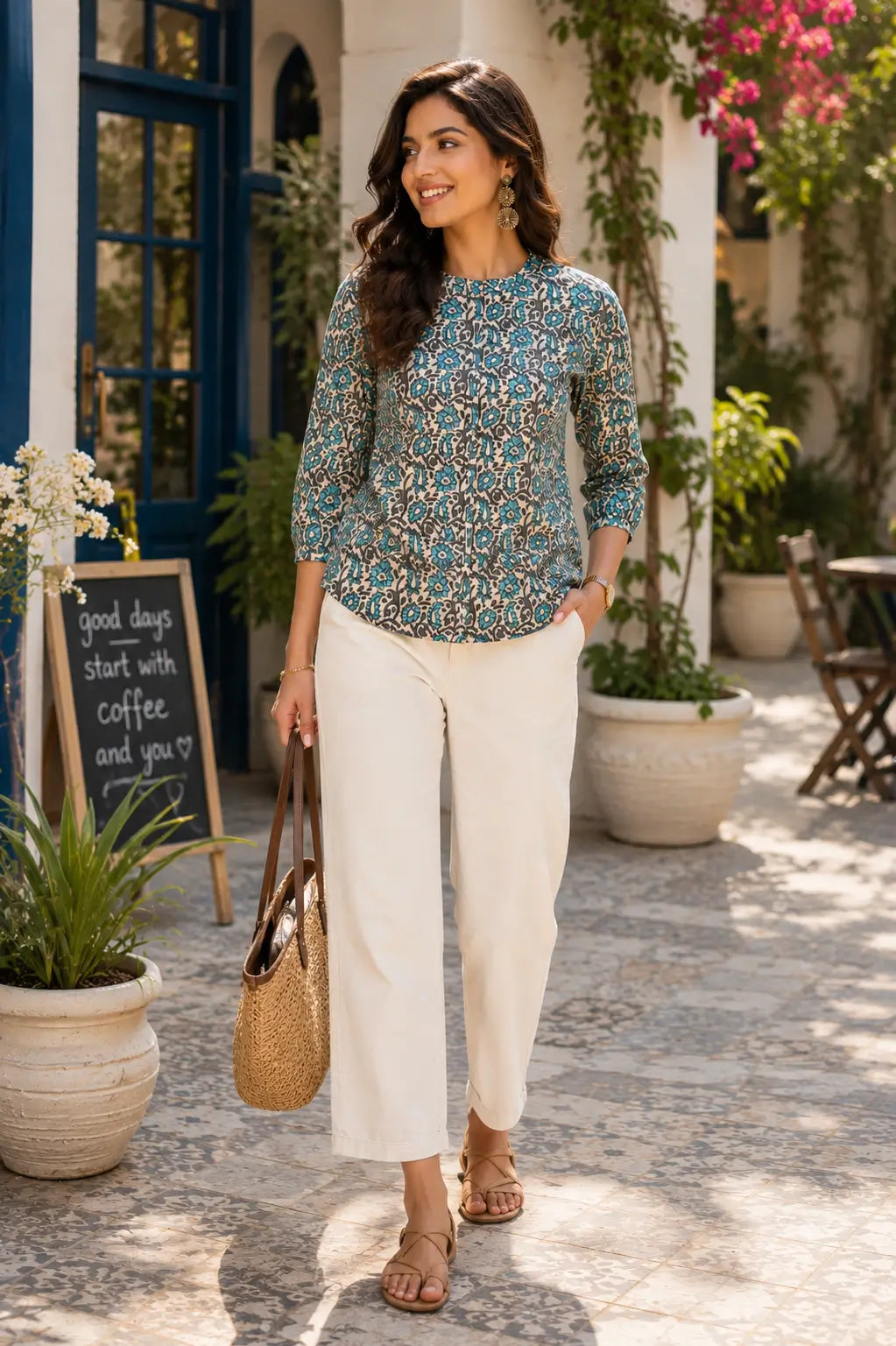
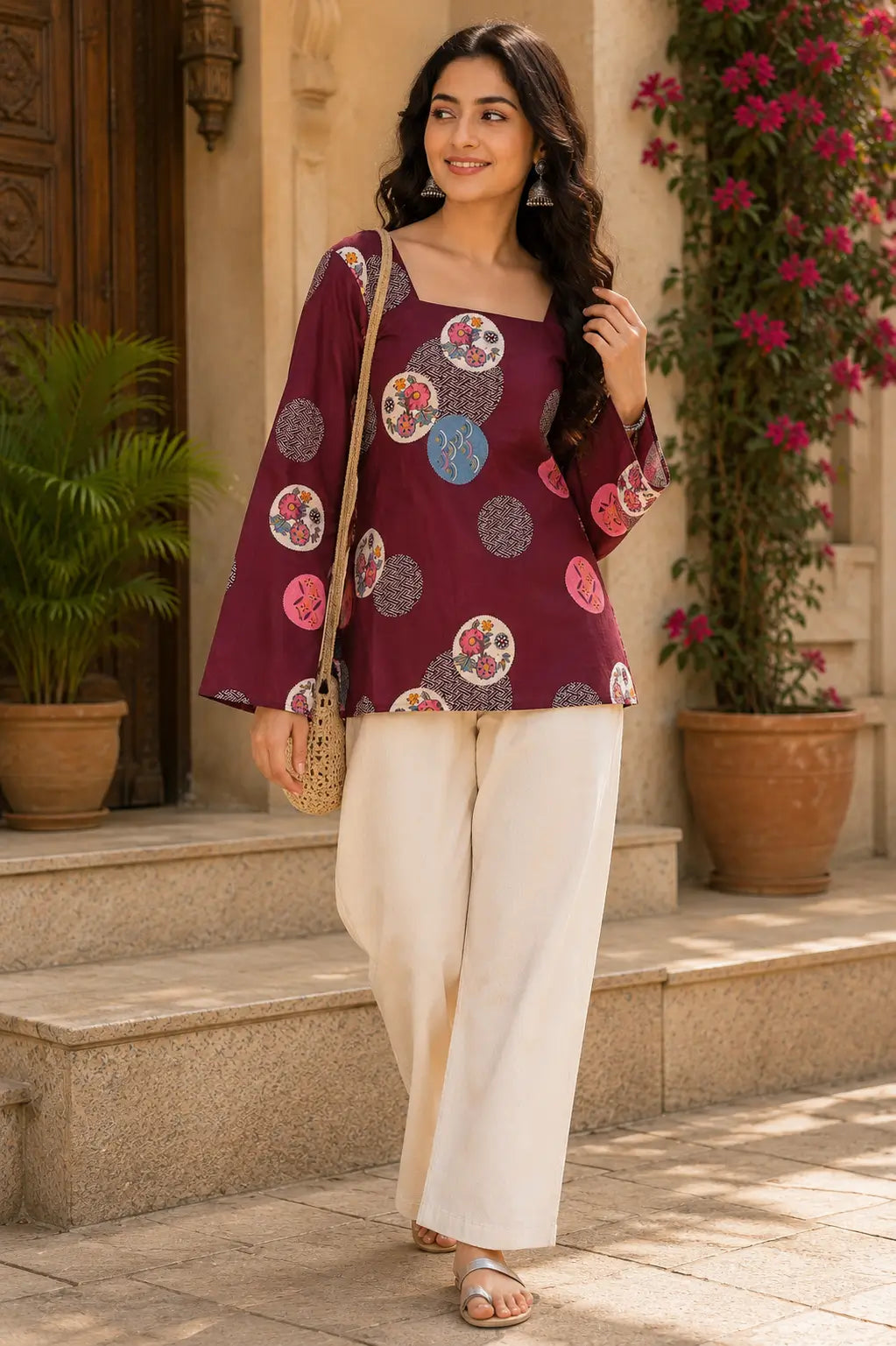


Looking elegant in ethnic wear does not require a heavy dupatta, large earrings, strong makeup and detailed footwear all at the same time.
In fact, an outfit often looks smarter when one element receives attention and everything else supports it.
A printed kurti may need only small earrings. A detailed neckline may look better without a necklace. A colourful dupatta can become the highlight when the kurta and accessories remain simple.
The difference between well-dressed and overdressed usually comes down to balance, fit and occasion.
This guide explains how to style smart ethnic wear for women without making the outfit feel too festive, heavy or uncomfortable.
Quick Answer: How Can You Look Smart in Ethnic Wear Without Looking Overdressed?
Use this simple formula:
Clean silhouette + comfortable fit + one highlight element + minimal accessories.
The highlight element may be:
- A printed kurti
- Subtle embroidery
- A contrast dupatta
- Statement earrings
- A structured bag
- Interesting footwear
- A refined neckline
- A coordinated colour combination
Do not make every part of the outfit compete for attention.
When the kurti has detailed work, reduce the jewellery. When the dupatta is bright, keep the kurta simple. When the print is bold, choose neutral footwear and a clean bag.
The One-Highlight Rule
Before finishing the outfit, decide what you want people to notice first.
Highlight the kurti
Use minimal jewellery, neutral shoes and a simple bag.
Highlight the dupatta
Choose a plain kurta, small earrings and understated footwear.
Highlight the earrings
Keep the neckline open and avoid adding a heavy necklace.
Highlight the bag or footwear
Use a clean outfit in one or two colours.
Highlight the neckline
Skip the necklace and use small studs or a watch.
When two or three heavy elements are used together, the look may become festive even when that was not the intention.
Choose the Right Silhouette First
A well-balanced silhouette looks smarter than an outfit relying only on decoration.
Useful ethnic silhouettes include:
- Straight kurti
- Controlled A-line kurti
- Shirt-style kurti
- Professional short kurti
- Long straight kurti
- Simple kurta-pant set
- Office-friendly co-ord
- Light kurta set with dupatta
Straight kurti
Creates a clean and polished appearance.
A-line kurti
Provides ease around the waist and hips while maintaining shape.
Shirt-style kurti
Adds modern structure through a collar or button placket.
Short kurti
Works for casual offices, college, errands and café plans when styled with clean trousers or jeans.
Kurta-pant set
Creates a complete look without requiring many accessories.
For a detailed comparison of straight, A-line, shirt-style, long and short silhouettes, read our guide to the best kurti styles for office wear.
Fit Is More Important Than Decoration
An expensive or detailed outfit can still look untidy when the fit is incorrect.
Check:
- Shoulder seam
- Bust ease
- Armhole
- Waist
- Hip width
- Sleeve opening
- Kurti length
- Side-slit height
- Pant waistband
A kurti should not pull across the bust or become tight while sitting.
At the same time, an excessively oversized outfit may lose its shape and look less polished.
Choose a regular or relaxed fit that allows movement while preserving a clear silhouette.
Use Colours in a Controlled Way
An ethnic outfit does not need to be neutral to look smart.
Useful colour approaches include:
One-colour family
Pair different shades of the same colour, such as navy with soft blue.
Neutral plus one colour
Use beige, white, black or cream with one stronger shade.
Soft contrast
Combine olive with cream, maroon with beige or lavender with grey.
Printed kurti with solid bottom
Let the print remain the main element.
Solid kurta with printed dupatta
Use the dupatta as the highlight.
Avoid matching every item exactly. Earrings, bangles, footwear and bag do not all need to repeat the same colour.
A soft contrast usually looks more current and natural than perfect head-to-toe matching.
Choose Prints According to the Occasion
For office
Choose:
- Small florals
- Fine geometric prints
- Vertical motifs
- Controlled abstract designs
- Soft block-inspired patterns
- Subtle stripes
For casual outings
You can use:
- Medium florals
- Colour-blocked prints
- Modern ethnic motifs
- Brighter but balanced colours
For family lunches
Choose:
- Refined prints
- Light embroidery
- Printed dupatta
- Textured fabric
- Soft festive details
For small celebrations
You can add one richer element, such as embroidery or a dressier dupatta, without turning the whole outfit into heavy occasion wear.
Large prints are not automatically overdressed. The result depends on colour contrast, fabric and styling.
Select Fabric According to the Desired Look
Fabric changes the mood of the same silhouette.
Cotton
Creates a natural, everyday and office-friendly appearance.
Cotton flex
Provides more shape and works for structured kurtis.
Cotton slub
Adds subtle texture without requiring a loud print.
Rayon or viscose
Creates a softer and more fluid fall.
Linen blend
Provides a crisp, minimal and slightly formal appearance.
Modal or lyocell blend
Can create a smooth, modern look depending on construction.
Chanderi or cotton-silk blend
Can work for semi-formal occasions when the design and lining remain light.
Heavy shine, thick brocade and dense sequins may make an outfit feel more festive. Use them according to the occasion rather than as everyday default choices.
Use Embroidery and Detailing Carefully
Small design details can make an outfit feel premium without making it heavy.
Useful details include:
- Pintucks
- Contrast piping
- Lace edging
- Small thread work
- Wooden or brass-style buttons
- Printed border
- Minimal mirror accents
- Textured weave
- Subtle sleeve detailing
Use one or two details, not all of them together.
A kurti with pintucks and buttons usually does not need heavy earrings, bangles and an embellished bag.
Jewellery: Use the Neckline as Your Guide
Detailed neckline
Skip the necklace and wear small earrings.
Simple round neck
Use a thin chain, small pendant or medium earrings.
V-neck
A delicate pendant can follow the neckline, but avoid combining it with heavy earrings.
Collar neck
Use studs, a watch and no necklace.
High neck or mandarin collar
Small hoops or studs are enough.
Deep or wide neckline
Use a suitable inner layer and one controlled accessory.
The goal is not to avoid jewellery. It is to prevent jewellery from competing with the garment.
How to Style a Dupatta Without Making the Outfit Heavy
A dupatta can add grace, but its fabric, border and draping affect the complete look.
For office
Choose a lightweight dupatta in a solid colour or subtle print. Pin it if required.
For casual wear
Use a soft stole-style drape or carry it over one shoulder.
For family gatherings
A printed or lightly bordered dupatta can become the highlight.
For a detailed kurta
Choose a plain dupatta.
For a plain kurta
Use a printed or contrast dupatta.
Avoid combining a heavily embroidered kurta with a heavy-border dupatta and statement jewellery unless the occasion is genuinely festive.
Choose Footwear That Matches the Mood
Office and formal daytime
- Loafers
- Clean flats
- Low block heels
- Simple juttis
- Structured sandals
Casual outings
- Comfortable sandals
- Minimal sneakers
- Kolhapuri-style flats
- Relaxed juttis
Family lunch or small occasion
- Dressier flats
- Embellished but controlled juttis
- Medium block heels
Very shiny or heavily embellished footwear may make a simple daily outfit look more festive than intended.
The footwear should also remain comfortable for the duration of the plan.
Use the Right Bag
Structured tote
Works for office, meetings and daytime plans.
Medium shoulder bag
Useful for smart-casual ethnic outfits.
Crossbody bag
Works for errands, travel and café plans.
Neutral sling bag
Can shift an office outfit toward a casual look.
Festive clutch
Use for actual occasions rather than routine daytime dressing.
A simple handbag often looks smarter than a heavily embellished clutch used in the wrong setting.
Smart Ethnic Wear for Office
Office ethnic wear should look polished without becoming festive.
Useful combinations include:
- Cotton kurti + straight pants + flats
- Shirt-style kurti + ankle trousers + watch
- A-line kurti + cigarette pants + small earrings
- Short kurti + formal trousers + structured bag
- Kurta-pant set + loafers + studs
- Long kurti + narrow pants + low block heels
Keep embroidery, jewellery and makeup controlled.
For complete guidance on fabrics, dress codes, colours and bottom wear, read our office wear kurti guide for working women.
Style Co-ord Sets Without Looking Overdone
A co-ord set already creates a complete visual look because the top and bottom are coordinated.
Keep the styling simple:
- Use one pair of earrings
- Choose a structured bag
- Keep footwear neutral
- Avoid adding another strong print
- Skip heavy necklaces
- Use a light layer only when required
Solid and subtle-print co-ords generally need fewer accessories than separate outfits.
For workplace-specific combinations, read our guide on how to style co-ord sets for office wear.
Take the Same Kurti from Office to a Casual Plan
An office outfit can move into an evening plan without a complete change.
During office hours
- Straight pants
- Small earrings
- Structured tote
- Flats
- Minimal makeup
After office
- Change to larger earrings
- Switch to a sling bag
- Add a slightly brighter lip colour
- Replace flats with sandals
- Roll up shirt-style sleeves
- Remove the formal layer
The kurti itself remains the same. Only the supporting pieces change.
For more day-to-evening outfit ideas, read our guide to designer kurtis for office and casual wear.
Occasion-Wise Smart Ethnic Outfit Formulas
Office
Straight kurti + ankle pants + loafers + watch
College presentation
Short kurti + trousers + small hoops + tote bag
Café or shopping plan
Printed kurti + clean jeans + sandals + sling bag
Family lunch
A-line kurti + straight pants + light jhumkas + handbag
Casual dinner
Long kurti + narrow pants + statement earrings
Small festive gathering
Simple kurta set + printed dupatta + one jewellery element
Travel day
Cotton kurti + comfortable pants + flats + crossbody bag
The outfit should suit the place before it follows a trend.
A Practical Rabric Example
A solid-colour kurti with subtle pintuck work and button detailing can look refined without requiring heavy accessories.
This olive-green cotton pintuck long kurti for women can be paired with white or beige pants, small earrings and comfortable flats for office. For a casual evening, switch to denim or palazzos and add a sling bag.
The detailing remains visible, but the outfit does not need a necklace, heavy bangles or an embellished dupatta.
How to Tone Down an Outfit in Two Minutes
When the look feels too heavy, remove or simplify one element.
Try:
- Replace large earrings with studs
- Remove the necklace
- Switch the festive dupatta for a plain one
- Change glittery heels to neutral flats
- Replace the clutch with a simple handbag
- Tie the hair in a clean ponytail or bun
- Reduce strong makeup to one focus area
- Remove extra bangles
- Change an embellished bottom to a solid one
Do not rebuild the entire outfit. One thoughtful change is often enough.
Common Styling Mistakes
Making every element a highlight
Bold print, heavy earrings, bright lips and embroidered footwear together can overpower the look.
Matching everything exactly
Head-to-toe matching may make the outfit look overly planned. Use soft contrasts.
Ignoring the occasion
An outfit for a family function may not work in an office or café.
Choosing heavy festive fabric for daily wear
The fabric may look beautiful but feel impractical for commuting and long hours.
Ignoring fit
Poor shoulder, bust or hip fit can make even an expensive garment look untidy.
Using too many accessories with a dupatta
The dupatta already adds another visual element.
Choosing uncomfortable footwear
Discomfort affects posture, movement and confidence.
Copying model styling exactly
Adapt the outfit to your height, routine, comfort and occasion.
Build a Small Smart-Ethnic Wardrobe
A practical wardrobe can begin with:
- One solid cotton kurti
- One printed kurti
- One straight pant in a light neutral
- One dark trouser
- One A-line or long kurti
- One professional short kurti
- One simple kurta-pant set
- One office-friendly co-ord
- One lightweight dupatta
- One pair of neutral flats
- One structured everyday bag
These pieces can create several combinations without requiring heavy styling.
Explore Simple and Versatile Kurtis
Choose kurtis that can work with more than one bottom and suit more than one type of plan.
Browse Rabric’s women’s long kurti collection to compare printed, solid, cotton, cotton-flex and subtly detailed styles.
Frequently Asked Questions
How can I look smart in ethnic wear?
Choose a clean silhouette, good fit, balanced colour combination and one highlight element. Keep the remaining accessories simple.
How do I wear ethnic clothes without looking overdressed?
Avoid combining heavy fabric, strong jewellery, bright makeup and festive footwear in the same outfit.
Which ethnic outfit looks most elegant?
Straight kurtis, controlled A-line kurtis, simple kurta-pant sets and understated co-ords are versatile elegant options.
How can I make a simple kurti look stylish?
Add one useful element such as earrings, a structured bag, contrast pants, refined footwear or a lightweight dupatta.
Can printed kurtis look professional?
Yes. Choose controlled prints, clean bottoms, minimal jewellery and an office-appropriate neckline.
Should I wear a necklace with a detailed kurti?
Usually not necessary. Let the neckline detailing remain visible and use small earrings instead.
How can I tone down a festive ethnic outfit?
Remove one heavy element, such as the necklace, dupatta, bangles or embellished footwear.
What colours look elegant in ethnic wear?
Navy, olive, beige, maroon, teal, cream, dusty pink, soft blue and black-and-white combinations are versatile.
Are co-ord sets considered ethnic wear?
Modern ethnic co-ord sets can combine Indian prints or kurta-style tops with coordinated pants. Their styling depends on the occasion.
What should I wear for smart ethnic office wear?
A straight or A-line kurti with formal pants, minimal jewellery, comfortable flats and a structured bag is a dependable combination.
Conclusion
Smart ethnic wear is not about adding more. It is about knowing what to keep and what to leave out.
Choose a clean silhouette, comfortable fabric and one detail that gives the outfit personality. Let the remaining colours, jewellery, footwear and bag support that choice.
The outfit looks most polished when it suits the occasion and allows you to move naturally without feeling conscious or overstyled.
About the Author
Aditi Garg writes and reviews Rabric’s fabric, fit and styling guides. Her content focuses on helping women build practical, balanced and repeatable ethnic outfits for office, daily wear and casual occasions.

