


(Updated for January 2026 | Reviewed & written by Mrs. Aditi Garg, with 5+ years of experience in Indian ethnic silhouettes and fabric sourcing)
Introduction: Why the History of Kurti Still Matters Today
The kurti is not just a garment—it is a reflection of how Indian women’s lives, roles, and fashion choices have evolved over centuries. From ancient tunic-style clothing to today’s stylish daily wear kurtis, the kurti has adapted effortlessly to changing times.
What began as a simple stitched tunic is now one of the most worn everyday outfits in Indian women’s wardrobes.
For women who value comfort without compromising cultural identity, understanding the history of kurti adds depth to what we wear every day. Contemporary brands like RABRIC continue this legacy by designing kurtis that feel modern while remaining rooted in tradition.
What Is a Kurti? Meaning and Everyday Use
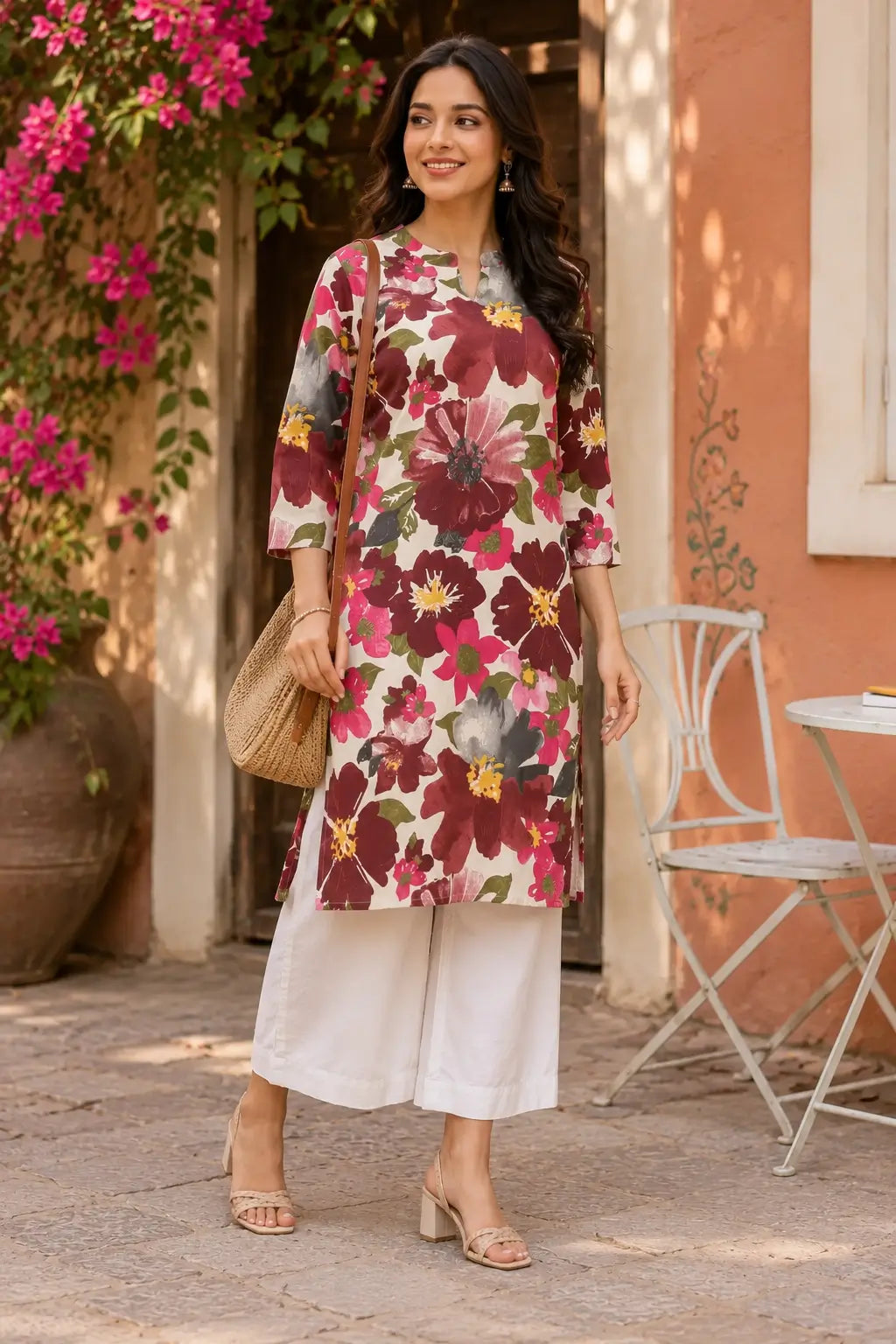
A kurti is a short or mid-length tunic worn by women in India, traditionally derived from ancient Indian attire and adapted into modern everyday fashion.
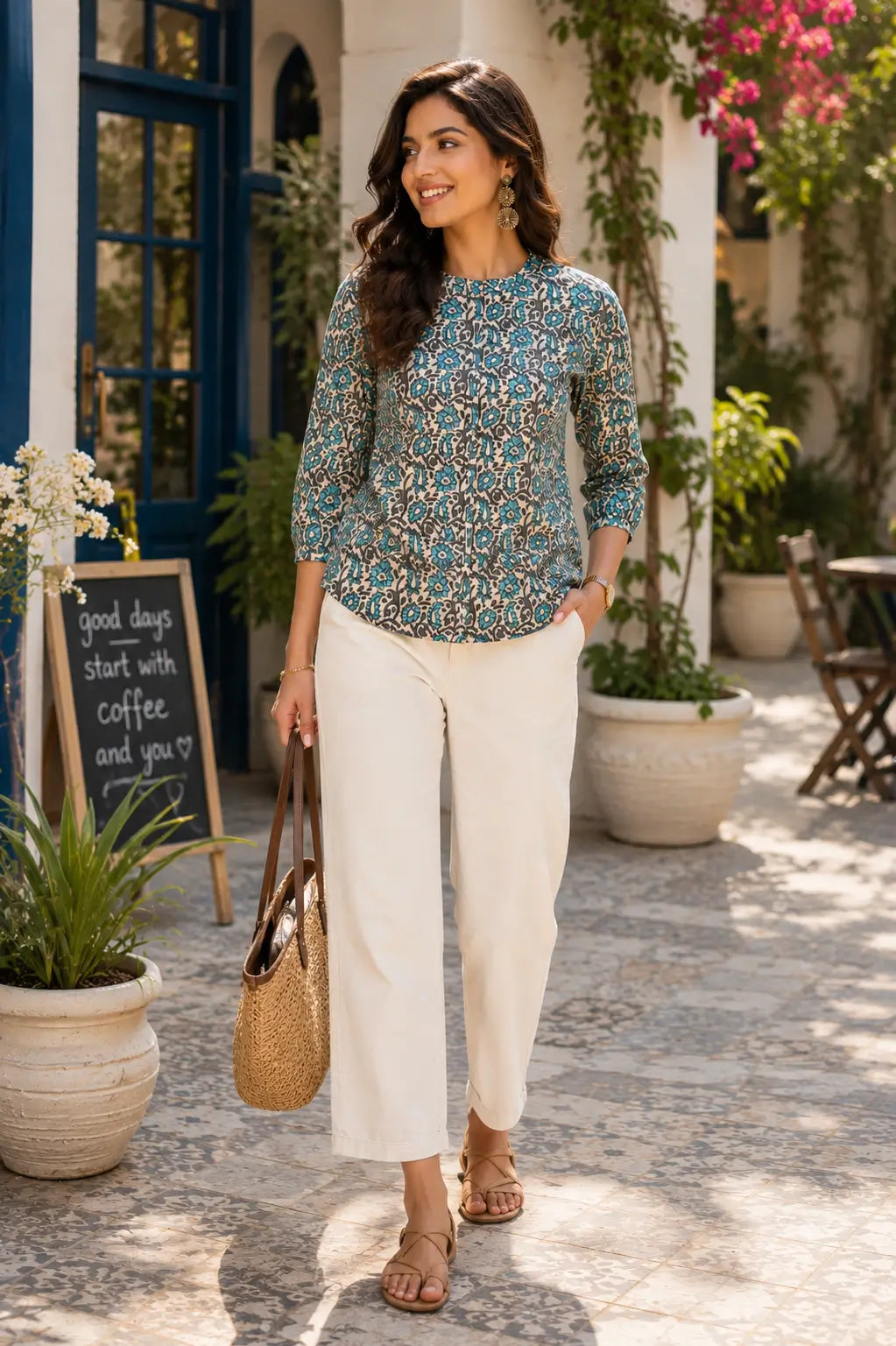
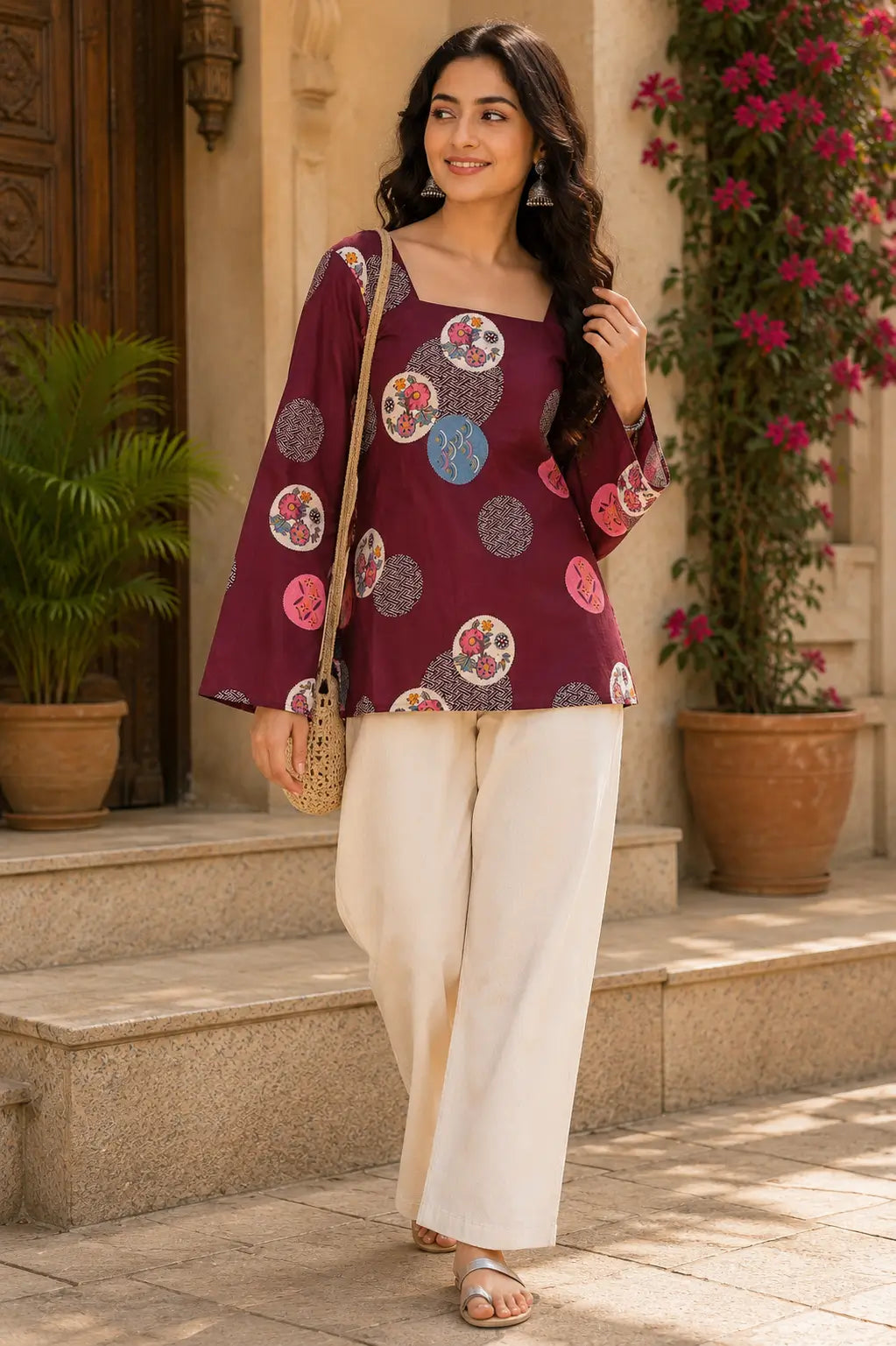
This simple yet versatile garment can be paired with leggings, palazzos, skirts, or jeans—making it suitable for ethnic, casual, and office wear.
Evolution of Kurti: A Quick Timeline
-
Ancient India – Simple cotton tunics
-
Medieval Era – Embroidered royal garments
-
Colonial Period – Practical everyday clothing
-
Post-Independence – Handloom & cotton kurtis
-
Modern Era – Fusion, casual & office wear
This timeline shows how kurtis became everyday wear across generations.
Origins: Ancient Roots of the Traditional Indian Kurti

The traditional Indian kurti dates back more than 2,000 years. Early references appear in sculptures and historical texts from the Indus Valley Civilization, where men and women wore stitched tunics for comfort and mobility.
Key Characteristics of Early Kurtis
-
Straight, loose silhouettes
-
Natural fabrics like cotton
-
Minimal ornamentation
-
Designed for hot climates
These garments prioritized comfort and practicality, values that still define daily wear kurtis today.
Research Insight:
Archaeological textile studies indicate cotton was preferred in ancient India due to climate suitability (ASHA Textiles Research Journal, India).
The Medieval Era: Royal Influence on Kurti Fashion History
During medieval India, especially under the Mughal Empire, kurti fashion history saw a dramatic transformation.
How the Mughal Era Shaped Kurtis
-
Intricate hand embroidery
-
Use of silk, muslin, and brocade
-
Decorative necklines and sleeves
This period elevated kurtis from everyday wear to ethnic wear for women that symbolized elegance and craftsmanship.
The Mughal era introduced embroidery, refined tailoring, and luxury fabrics into kurti fashion history.
Colonial India: The Kurti as Practical Everyday Wear
British colonial rule significantly altered Indian social structures, especially women’s education and work participation.
Why Kurtis Became Popular During Colonial India
-
Modest yet functional design
-
Easy to stitch and maintain
-
Comfortable for long daily routines
Kurtis became shorter, simpler, and easier to pair with churidars and dupattas—marking a crucial phase in how kurtis became everyday wear.
Kurtis became everyday wear during colonial India because they were comfortable, modest, and suitable for daily activities.
Post-Independence India: The Rise of Kurtis for Women
After 1947, India experienced a renewed focus on indigenous textiles and self-reliance. The kurti emerged as a symbol of simplicity, pride, and practicality.
Key Developments After Independence
-
Growth of handloom and khadi movements
-
Cotton kurtis for daily wear
-
Widespread acceptance across age groups
According to the Ministry of Textiles, demand for cotton-based ethnic wear grew by over 35% between 1950–1980, highlighting the kurti’s everyday relevance.
1990s–2000s: Evolution of Kurti Fashion in Urban India

Economic liberalization and global exposure reshaped Indian fashion during the 1990s.
The Modern Kurti Styles Boom
-
Fusion styling (kurti with jeans)
-
Short kurtis for college and office
-
Bold prints and contemporary cuts
During this phase, shorter silhouettes gained popularity among college students and working women, making short kurtis for women a preferred choice for everyday and office wear.
Modern kurti styles emerged in the 1990s by blending traditional silhouettes with Western fashion influences.
As kurti designs diversified during this period, women began exploring various silhouettes and patterns, many of which are still popular today. To understand these variations better, explore the different types of kurtis every woman should know.
Digital Era: How Kurtis Became a Lifestyle Staple
With the rise of e-commerce, social media, and lifestyle blogging, kurtis gained global visibility.

Beyond India, kurtis have gained global recognition through the influence of the Indian diaspora across countries such as the US, UK, Canada, and Australia. Indian women abroad adopted kurtis for their comfort, cultural familiarity, and easy styling, often pairing them with jeans, trousers, or skirts. International fashion platforms and social media further popularized kurti-inspired silhouettes, helping transform kurtis into a globally accepted lifestyle garment rather than a region-specific ethnic outfit.
This fusion approach has also influenced contemporary fashion, where kurti-inspired silhouettes now overlap with western-style short tops for women worn for casual and everyday looks.
Why Kurtis Dominate Everyday Fashion Today
-
Comfortable for long wear
-
Suitable for all body types
-
Easy to dress up or down
This practicality is especially evident in well-designed everyday wear cotton kurtis that suit long hours and multiple occasions.
This versatility has also led to creative everyday styling, especially for shorter silhouettes that pair well with jeans, trousers, and skirts. For practical inspiration, read our guide on how to style short kurtis for daily wear.
A 2023 report by Statista India revealed that ethnic wear accounts for nearly 40% of women’s online apparel purchases, with kurtis leading the segment.
This growing preference for comfort and versatility has made daily wear kurtis an essential part of modern women’s wardrobes.
Why Choose RABRIC for Modern Kurtis?
At RABRIC, we design clothing with a deep understanding of Indian ethnic silhouettes and everyday comfort. Learn more about our design philosophy and collections at RABRIC women’s ethnic wear store.
-
Breathable fabrics for daily comfort
-
Contemporary silhouettes rooted in heritage
-
Versatile styles for work, travel, and casual wear
RABRIC honors kurti fashion history while meeting modern women’s lifestyle needs.
The Future of Kurtis: Timeless Yet Trend-Ready
As sustainability, comfort, and versatility shape fashion trends, kurtis continue to evolve.
What to Expect Next
-
Eco-friendly fabrics
-
Minimalist yet functional designs
-
More fusion experimentation
The kurti’s adaptability ensures it will remain a core part of ethnic wear for women and modern everyday wardrobes alike.
If you’re inspired by the journey of the kurti, explore thoughtfully designed styles that blend history with modern comfort—crafted for everyday living.
Author & Editorial Note
This article is researched using Indian textile history, government textile data, and fashion market studies. It is reviewed for cultural accuracy, originality, and relevance to modern women’s lifestyles.
Frequently Asked Questions: History & Evolution of Kurti
What is the history of kurti?
The history of kurti dates back to ancient India, evolving from simple tunic garments into versatile everyday fashion for women.
How did kurtis become everyday wear?
Kurtis became everyday wear due to their comfort, breathable fabrics, and adaptability to modern lifestyles.
What is the difference between kurta and kurti?
A kurti is shorter and more casual, while a kurta is longer and traditionally more formal.
Are kurtis considered ethnic wear?
Yes, kurtis are a key part of ethnic wear for women but are also styled as casual and office wear.
What fabrics are best for daily wear kurtis?
Cotton and rayon are ideal for daily wear kurtis due to their breathability and comfort.
Why are kurtis still popular today?
Kurtis remain popular because they balance tradition, comfort, and modern style effortlessly.

